
Know What the Live Format Actually Changes
 Available in US

A clear look at the studio stream, betting interface and limits of what a live presentation tells you.
What Live Play Actually Adds
The main difference in a live dealer game is that the play is shown as it happens, rather than being represented entirely by a digital animation. A studio camera streams a human dealer and the activity at the table to your screen. You make your bets through an on-screen interface. The image and the controls sit together, but they do different jobs: the stream shows the live action, while the interface is where you enter your choices.
That sounds simple, and it is. Still, it changes the feel of playing. With a purely digital game, the screen presents the game’s action through software. In a live format, you watch a person deal with the game in front of a camera. You are not physically at the studio table, but you can see a real-time presentation of play and use the displayed controls to take part.
I find that distinction more useful than any glossy promise about atmosphere. “Immersive” can mean almost anything in an advert. The practical point is that you are watching a live studio feed while interacting with the game on screen. It is not the same as standing beside a table, and it is not just a prerecorded clip. It is a screen-based way to follow a human dealer’s live play.

The picture and the controls
When you open a live table, the stream gives you the visual part of the experience. The interface provides the betting controls. You select from the options shown there and submit a bet through the screen, while the game itself is presented in the studio feed. That split is worth keeping in mind: seeing the dealer does not mean you are placing chips on a physical table, and tapping a control does not make the stream a computer-generated game.
I used to treat a live label as if it told me everything I needed to know. It doesn’t. It tells you something about how the game is presented, not necessarily every rule, feature or condition attached to a particular title. The title Dream Catcher may be what brought you here, but the general description of live play should not be mistaken for a guide to that game’s specific rules. Those need to be read from the game information itself.

That’s the useful boundary. A live studio feed tells you that play is being streamed in real time with a human dealer. The on-screen interface is how you participate. It does not, on its own, explain what each bet means or how a particular game decides an outcome.
What “live” changes
The human presence is the obvious addition. Instead of watching only graphics or symbols, you see a dealer in the studio as the game unfolds. That can make the session feel more like following a table than operating a piece of software. For some people, that is the appeal: the action has a visible person and setting attached to it.
But I wouldn’t read more into that than is there. A studio feed does not turn an online game into a face-to-face visit, and it does not make the interface disappear. You still view the game through a screen and use its controls to place bets. The live element is part of the presentation and the way play is delivered; your participation remains digital.
This matters when you are looking for a Dream Catcher casino online. The words “live” and “Dream Catcher” may appear together on a page, but the label alone is not a substitute for checking the game screen and its information. A live game in general has a human dealer and a studio stream. That description does not establish the detailed format or rules of every named title. Keep the distinction clear, and you are less likely to mistake a broad category for a promise about a specific game.
Nor does a live feed tell you whether a site is right for you. It describes the format, not the quality of a casino or the terms attached to playing there. I’ve learned not to let a polished table view do the work of reading the actual information on screen. The camera can make a game look straightforward; the details still matter.
A different kind of screen session
If you are used to digital casino games, the change is not that you stop using a screen. You use one throughout. What changes is what the screen shows: a real-time studio presentation with a human dealer, alongside the controls for placing bets. That is the basic answer to what live play adds.
It may appeal if you like seeing a person conduct the game rather than watching only a software-rendered sequence. It may feel less compelling if the live table itself adds nothing for you. Neither reaction says anything about a game’s rules or whether it suits your budget. It is simply a preference about how you want the activity presented.
So, when considering live Dream Catcher online casinos, separate the format from the title-specific details. Look for the live stream and the betting interface, then read the information provided for the particular game rather than assuming that the general live format fills in the gaps. No magic in the label. Just a studio feed, a dealer, and controls on your screen.
This is an entertainment overview, not gambling advice.
The Trade-Offs of a Live Dream Catcher Session
If you’re looking for a live Dream Catcher casino in the UK, payout speed is one practical detail to check. The verdicts below summarise the payout timing available for each option.
-
Chanze
- Payout speed
- 1-3 business days
You can expect a stated payout speed of 1–3 business days.
-
Revery Play
- Payout speed
- 1-3 business days
You can expect a stated payout speed of 1–3 business days.
-
BeOnBet
- Payout speed
- 1-3 business days
You can expect a stated payout speed of 1–3 business days.
-
Dieselwin
- Payout speed
- 1-3 business days
You can expect a stated payout speed of 1–3 business days.
-
NightWin
- Payout speed
- 1-3 business days
You can expect a stated payout speed of 1–3 business days.
-
NightLuck
- Payout speed
- 1-3 business days
You can expect a stated payout speed of 1–3 business days.
-
EvoSpin
- Payout speed
- 1-3 business days
You can expect a stated payout speed of 1–3 business days.
-
Zombillion
- Payout speed
- 1-3 business days
You can expect a stated payout speed of 1–3 business days.
-
SpinFormula
- Payout speed
- 1-3 business days
You can expect a stated payout speed of 1–3 business days.
-
Britsino
- Payout speed
- 1-3 business days
You can expect a stated payout speed of 1–3 business days.
The word “live” can make a game sound more immediate. In practice, it can also mean waiting. A live table runs more slowly than a digital version because play unfolds in real time rather than being handled entirely by software. That difference affects the feel of a session: you have more pauses between decisions, and less control over how quickly the next moment arrives.
That is worth considering before you look for a live Dream Catcher game at a UK casino. The name alone does not tell you how a particular table works or what its rules are. What you can expect from the live format is a slower rhythm, higher minimum bets than digital games, and a connection that needs to stay steady. Those are not minor footnotes. Together, they shape whether the session suits you.
Time is part of the cost
With a digital game, the next action can be ready almost straight away. A live game has to keep pace with the events being streamed, so there can be stretches when you are watching rather than doing anything. If you come in expecting a rapid sequence, those pauses may feel like the game is dragging.

I have been impatient enough to treat every pause as wasted time and then make a poor decision just to feel involved again. That is a bad reason to place a bet. A slower pace does not make a game safer or improve the chance of a particular result; it simply changes the tempo. If you are already restless, waiting can encourage you to bet without thinking through whether you meant to.
It can help to decide in advance how long you are comfortable sitting with a live game, then leave when that limit is reached. Don’t try to stretch a session because the action feels as if it is about to pick up. A live table does not owe you a quicker turn.
The minimum can change the feel
Live games have higher minimum bets than their digital counterparts. That matters even before you place anything: the amount required to take part can affect how many decisions you are comfortable making and how quickly a set budget might be used.
I used to focus on whether a game looked entertaining and leave the minimum until later. That made the choice backwards. If the table’s entry point is already more than you want to stake, the presentation is beside the point. Check the minimum before joining, and compare it with a budget you have set beforehand. If the two do not fit, close the table. There is no prize for making a game fit your plans after the fact.
A higher minimum also makes it easier to feel that each decision carries more weight. That pressure can tempt you to change your stake after a loss or keep playing to make a session feel worthwhile. I have fallen for that logic. It does not make the next result more likely to help. Keep to the limit you chose before play, and do not chase losses or winnings beyond it.
Connection quality is not background detail
A live game depends on a stable internet connection. If your connection drops, stutters or struggles to keep the stream moving, the experience can become frustrating at exactly the point when you need to follow what is happening. That is different from a brief annoyance in a static page: the table’s activity is unfolding in real time.
Before you start, think about where you are connecting from and whether the connection is reliable there. If it is already cutting out, postponing the session is more sensible than hoping it will hold. A pause or interruption can leave you distracted, and distraction is a poor state in which to decide whether to place another bet.

A clear stream is not a promise of a better outcome, either. It only helps you follow the live presentation. It cannot make the game faster, lower the minimum, or change what a result means. That distinction sounds obvious, but a polished screen can make ordinary practical limits easy to forget.
Decide whether the format suits you
A live Dream Catcher listing may catch your eye, but the useful question is whether the live format suits the way you want to spend your time and money. Expect a slower session than a digital game, a higher minimum bet, and a need for dependable internet. If any of those conditions make you uncomfortable, that is enough reason not to join.
I now check the practical parts first, not after I have settled in and started betting. Set a budget, check the table minimum, and make sure your connection is steady. Then decide whether you actually want a live session, rather than feeling nudged into one by the word “live”. Keep it within the limit you set; don’t use a pause, a losing run or a win as a reason to extend it.
This page is for entertainment purposes only, not gambling advice. A live game can be engaging, but it remains gambling, and the format does not remove the trade-offs. Sometimes the sensible choice is to leave the table unopened.
- Set a spending budget
- Check the table minimum bet
- Verify internet connection stability
- Decide on a time limit for the session
How to Judge a Live Casino Without Buying the Hype
The first test is not whether a site calls itself the best place to play Dream Catcher. It is whether it is legally allowed to offer real-money gambling to people in Great Britain. A remote casino serving this market must hold a relevant licence from the UK Gambling Commission. Check the operator’s licensing details against the Commission’s own register, and make sure the licence belongs to the business actually running the site—not merely a similarly named company.
That is a basic safeguard, not a recommendation. A licence does not prove that a particular game will suit you, that a session will be enjoyable, or that a site is the best choice. I have made the mistake of letting polished wording do the judging for me. “Premium” often means a smart-looking page; it tells you little about what playing there will feel like.
Look beyond the sales language
When a casino promotes a live Dream Catcher table, separate what it clearly states from what the headline invites you to assume. Is the game actually available to you, and can you see the relevant table information before staking money? Do not treat a general live-casino page, an old review or a search result as proof that a particular title is currently offered. Availability and terms can change.
The same caution applies to claims about “the best” casino. Best for whom? One player may care about a low entry point; another may care more about whether the stream remains usable on their connection. The information that matters is concrete and relevant to your own limits. Broad praise, countdowns and confident rankings cannot make that choice for you.

I would also look at whether the site explains its live-game conditions in plain language. Live games move more slowly than digital versions, and their minimum bets are higher. Those details affect how long a budget may last and whether the table is suitable for you at all. If the site makes it difficult to find the minimum stake or the rules, pause rather than assuming the conditions will be comfortable once you join.
Judge the experience you can actually handle
A live table depends on a stable internet connection. That is not a decorative technical note: if your connection drops or stutters, following a real-time session may become frustrating. Think about where you would play and whether your connection is reliable there. A glossy stream preview is not a promise that your own setup will behave the same way.
The pace deserves a fair test, too. Live play is slower than a digital version, so you may spend more time waiting between decisions. Some people prefer that rhythm; others find it dull or feel tempted to keep betting while they wait. I know that impatience can make a session feel like it needs “more action”—which is often just a neat phrase for losing track of the plan. Decide your spending limit before you start, and do not raise it to chase losses or winnings.
Read the table rules and paytable before playing. That is not busywork. You should understand what the screen says about the game and the bets you are considering, rather than relying on a dealer’s presence or an attractive interface to fill in the gaps. A human dealer can make the format feel more immediate, but the feeling of being in a room with other people does not change the financial risk.
Do
- Verify the UKGC licence on the official register
- Read the paytable and rules before playing
- Check specific bonus weighting for live games
Don't
- Trust "premium" labels as a quality guarantee
- Assume a demo's results reflect real-money play
- Use free spins intended for slots at live tables
Bonuses need their own check
A welcome offer can make a casino look more appealing while being of little use at a live table. Many UK welcome offers are free spins on slots, which cannot be used at live tables. A specialist review may describe live-game bonus weighting, but that is not a substitute for the terms attached to the offer you are considering. Live games can count for only a small share of wagering requirements, and restrictions may apply.
Before opting in, check the wagering requirements, game weighting and maximum bet limits in the operator’s terms. If you cannot tell whether live play qualifies, or how it counts, do not assume the bonus will make a session cheaper. It may simply add conditions.
My standard for a good choice has become less glamorous: licensed for the British market, clear about the live table’s conditions, and compatible with my connection and budget. That still does not establish which casino is best for you, or confirm that Dream Catcher is available at a particular site. It gives you a way to avoid letting the marketing make the decision.
This content is for entertainment purposes only, not gambling advice. If the practical checks do not satisfy you, walking away is a sound option. No hype required.
Playing the Game: What the Live Format Means
A Dream Catcher casino game presented as live play is built around a real-time broadcast, rather than a sequence of computer-generated images. A human dealer is in a studio, and the gameplay is streamed to your screen. You follow that stream while placing bets through the casino’s on-screen interface.

That is the basic arrangement. The broadcast shows the live game in progress; the interface is where you take part as a player. You are not physically at the studio table, and you do not pass money or betting pieces to the dealer. Your actions happen on screen, while the dealer conducts the game in the studio.
I find it useful to keep those two parts separate. The stream is what lets you watch the live action. The betting interface is how you register your own participation. They appear together, but they are not the same thing. You can be watching the dealer without having placed a bet, just as opening a game does not itself tell you what its particular rules are.
The word “live” can sound grander than it is. In practical terms, it means that the play you see is being broadcast as it happens, with a human dealer present. It does not, by itself, explain what decisions you can make, when betting opens or closes, or how a particular round is settled. Those details belong to the rules displayed for the specific game, not to the general live-dealer format.
That distinction matters with Dream Catcher. The fact that a game is described as live tells you about the way it is presented: a studio stream and an interface for bets. It is not enough to infer the game’s full mechanics from the name, the screen design, or the presence of a dealer. I have made the mistake of treating a familiar-looking layout as an explanation. It isn’t one.
How the interface works
While the studio stream shows the live action, you interact with the game through a separate on-screen digital interface. This is where you enter your choices and submit your bets.
When you open a live game, you are looking at an online representation of a studio session. The dealer is part of the real-time broadcast, while your betting activity is handled through the digital interface. The screen brings those elements together so you can observe the play and enter bets without being in the studio yourself. That is the format in a nutshell.
No mystery there. But don’t fill gaps with guesses.
If you want to play Dream Catcher at a casino, read the rules shown for that particular game before staking money. A general description of live play cannot tell you what each option means or how the game determines an outcome. Nor should the label “live” be taken as a promise about a specific feature. It only describes the broadcast-based format when a human dealer conducts gameplay in real time.
I would treat the stream as the setting and the rules as the instructions. The first shows you live gameplay; the second explains what you can do within that game. Keeping them apart helps avoid assuming that all live games work alike—or that a general explanation of live casino play settles the details of Dream Catcher.
A Wheel on Screen Is Not the Same as a Roulette Wheel
The word “wheel” can make two games sound more alike than they are. When I see a search for a Dream Catcher wheel at a live casino, I try not to fill in the gaps from the name alone. A wheel-shaped feature, or a game shown on a live-casino page, does not tell me that its rules or mechanics are those of roulette.

Roulette gives us a clear comparison because its central action is specific: a dealer spins a physical wheel, a ball comes to rest in a numbered pocket, and a bet wins when the player selected that number. The wheel and ball are part of the game’s actual equipment, not just graphics on a screen.
Computerised roulette works differently behind the display. It uses a Random Number Generator (RNG) to determine the result rather than relying on a dealer spinning a physical wheel. The screen may still show a wheel or animate a ball, but that visual presentation does not make the result come from a physical spin. The important distinction is how the outcome is produced.
That difference is easy to blur when a game is presented with bright graphics and live-casino styling. I used to treat a familiar visual cue as if it explained the whole game. It doesn’t. “Live” is not a synonym for roulette, and “wheel” on its own is not enough to identify a roulette game. You need the game’s own description and rules to tell you what is happening.
So if you are looking for a Dream Catcher live casino wheel, keep the question narrow: what does the game actually show, and how does it describe its play? Don’t assume that a wheel means a roulette wheel, or that roulette’s numbered pockets and ball apply. The name alone cannot establish those mechanics. That is a small distinction, but it stops you bringing expectations from one game into another.
Roulette is a useful reference point, not a shortcut for interpreting every live game. In live roulette, a dealer spins the physical wheel; in computerised roulette, an RNG determines the result. Both can be shown on screen, but the underlying process is different. A game may have its own wheel or other presentation, yet that does not make it roulette. I’d read the rules before treating the visuals as an explanation. No guesswork.
Checking a Live Casino Site Before You Play
When I’m checking a site that offers live dealer games, I start with the licence, not the graphics, welcome banner or claims about the experience. A polished page can tell you how the operator wants to look; it does not establish that the site is authorised to serve players in the UK.
For real-money gambling in the UK, a live casino must hold a licence from the UK Gambling Commission. That applies whether you reach the site through a page about Dream Catcher or through a wider live casino menu. The game’s name is not a substitute for checking who operates the site.
Look for the operator’s licensing information on the site and compare it with the Commission’s register. Check that the licence belongs to the company running the casino, rather than assuming that a logo or a line of small print proves it. If you cannot establish that the operator has the required UK licence, do not treat the site as a legal place to gamble.
I’ve made the mistake of letting a familiar-looking interface do the reassuring for me. It’s easy to think, “This looks official,” and move on. But appearance is not authorisation. A live stream and a game title don’t tell you whether the operator is licensed either.

That’s the whole first check. It doesn’t tell you whether a particular live table suits you, and it isn’t a promise about what a site offers. It answers the more basic question: is the operator licensed to provide online gambling to UK players? Keep that separate from any later decision about playing.
If you’re comparing several live casino sites, repeat the same check for each one rather than carrying confidence from one site to another. A licence belongs to the operator, not to the general idea of live casino gaming. A page mentioning Dream Catcher does not, by itself, show that the company behind it has the necessary permission.
I keep this step deliberately plain. No trust badges, table themes or enthusiastic wording can replace checking the UK Gambling Commission’s register. If the licence cannot be confirmed, I stop there. A few minutes spent checking is better than guessing.
Trying a Demo Without Mistaking It for Real Play
A free-play version can be useful for getting used to an on-screen betting interface, if one is offered. You can see where choices are made and whether the pace feels comfortable without putting money at stake. That is a modest benefit, not a preview of what real-money play will pay.
I’ve made the mistake of treating a smooth run in a demo as a reason to expect the same thing later. It isn’t. Free play does not establish what you will win or lose with money involved, and it cannot tell you how a real-money session will feel when each decision has a cost. No payout is waiting at the end of a demo.
For Dream Catcher, don’t assume that a demo or a live demo is available just because the game name appears on a casino page. Look for a clearly marked free-play option and read what the page says it does. If there is no such option, that is the answer; there is no need to treat a real-money table as a substitute for practice.
There is another distinction worth keeping in mind. A demo may let you explore an interface, but that does not mean it reproduces every part of a live session. Live dealer games involve a real-time studio stream and bets entered through the screen. Unless the option explicitly shows that setup, don’t infer that you are testing the full live experience. And even if it does show a live stream, free play still cannot demonstrate real-money outcomes.
I now use demos, when available, for one narrow purpose: checking whether I understand the controls before deciding whether to play. I don’t use a lucky sequence as evidence that I have found a system, and I don’t raise a stake because free play seemed generous. That’s how a harmless test can turn into an expensive assumption.
If you do move from a demo to a live table, decide your budget first and stick to it. Read the table rules and paytable before playing, and don’t chase losses or winnings beyond the limit you set. The demo is entertainment, not gambling advice—and not a promise of what comes next.
A Cautious Review: What the Facts Do—and Don’t—Show
A useful review of a casino offering Dream Catcher should separate the live format from claims about the specific game. The general trade-off is clear: live games move more slowly than digital versions, have higher minimum bets and need a stable internet connection. Those points shape the session, but they do not tell you what Dream Catcher’s rules, interface or table limits are.

That distinction matters. “Immersive” is a nice word; in practice, a live game asks you to wait for events to unfold rather than move through digital play at the same pace. If you prefer a quick session, that may feel frustrating. If you want a less hurried experience, the pace may suit you. Neither reaction is a verdict on the game itself.
The minimum bet deserves attention before you join. A higher entry point can make a session less forgiving of casual experimentation, especially if you have not decided what you are comfortable spending. I have learned the hard way that a game feeling entertaining is no reason to keep increasing a stake. Set a budget beforehand, stick to it, and do not try to win back losses or extend a session just because you are ahead.
Connection quality is another plain, practical test. A live stream depends on a stable internet connection, so interruptions can get in the way of following the action and placing bets. That is not a special Dream Catcher feature; it is a condition of live play. If your connection is unreliable, the experience may be more irritating than enjoyable.
For a fair Dream Catcher live casino review, look for clear information about the actual game and its terms rather than relying on broad praise. Check the rules and paytable before playing, and do not treat a review’s enthusiasm as evidence of likely winnings. The conditions above can help you decide whether live play fits your preferences; they cannot establish how a particular session will go or confirm details that have not been stated.
This is entertainment, not gambling advice. I would judge the experience by whether its pace, stake requirements and technical demands suit me—not by a promise of excitement. Keep it within your budget. That’s the sensible test.
Before You Join a Live Table
Before opening a live Dream Catcher table, I try to be clear about what “joining” means. You are not watching a recording and then sending in a choice afterwards: live dealer games show gameplay streamed in real time from a studio, with a human dealer. Your bets go through controls on the screen.
That changes the first moments of play. You need to watch the stream and use the on-screen interface to enter a bet while the game is live. The screen is doing two jobs: showing what is happening and giving you a way to take part. If you are used to a digital game where each action happens immediately, pause long enough to orient yourself before staking anything.
I learned not to treat the first screen as an invitation to rush. Check the available betting controls and the table information before you act. If you cannot tell what a control does, or the stream is not clear, wait rather than guessing. A live dealer’s presence can make the session feel more immediate, but it does not make a bet safer or more likely to succeed.
Set a budget before you start and stick to it. I have made the mistake of deciding on limits only after a session was underway; that is a poor time to make a calm decision. Keep the screen’s pace from setting your spending pace.
If you are specifically looking to play Dream Catcher live, confirm that the table you open is the game you intended to access. The name alone does not tell you how its controls or round work, so read the on-screen information rather than assuming details from another game.
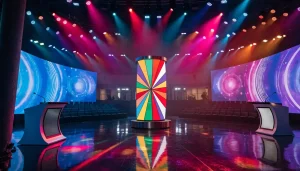
No need to rush. Live play is a stream plus an interface, and taking a moment to understand both is part of starting. This is entertainment, not gambling advice.
Finding a Casino That Offers the Game
When I’m looking for a place to play Dream Catcher, I separate two questions: whether the casino is allowed to serve players in the UK, and whether it actually offers the game. A polished homepage answers neither by itself.
Start with the licence. A casino offering live dealer games to UK players must hold a current operating licence from the UK Gambling Commission. You can check the operator against the Commission’s public register at gamblingcommission.gov.uk. Make sure the name on the register matches the company named on the casino site; a logo in the footer is not the same as checking the operator.
Then look for Dream Catcher in the casino’s own game catalogue. Availability can vary, so don’t assume that a site offering live games also carries this particular title. If the catalogue is unclear, ask the operator before depositing rather than relying on a search snippet or an old review. I’ve learned that “available” can mean a game appeared in a past promotion, not that you can open it now.
There isn’t a useful universal answer to which casino is best for Dream Catcher: first establish that the game is listed, then read the site’s rules and terms before deciding whether to play. If you opt into an offer, check its wagering requirements, game weighting and maximum bet limits. Set a budget before you start, and stick to it.
The licence check is the baseline, not a promise of a particular game or a recommendation to gamble. This is entertainment content, not gambling advice. If the operator’s identity or licence is hard to confirm, I’d move on. Better than guessing.
How do you play live roulette?
You place bets using the on-screen interface, then watch a live dealer spin a physical wheel. You win when the ball lands on a number you selected.
What are the different types of roulette you can play with a live dealer?
European Roulette has one green pocket, 0, while American Roulette has two, 0 and 00. French Roulette has an even-money rule under which you lose only half your bet if the ball lands on zero.
How can you win live dealer roulette?
You win a roulette bet when the ball lands on a number covered by your selection. American Roulette has 38 pockets and European Roulette has 37, so the odds of hitting a particular number are 1 in 38 and 1 in 37 respectively.
How do you choose a live dealer casino?
Choose a UK casino that holds a UK Gambling Commission licence. Also consider whether you have a stable internet connection and whether the table’s slower pace and minimum bets suit you.
Games: UK Casino Game and Slot Guides
Content created by the «rendersbyshailesh» team
