
Verify the payment route before you deposit
 Available in US
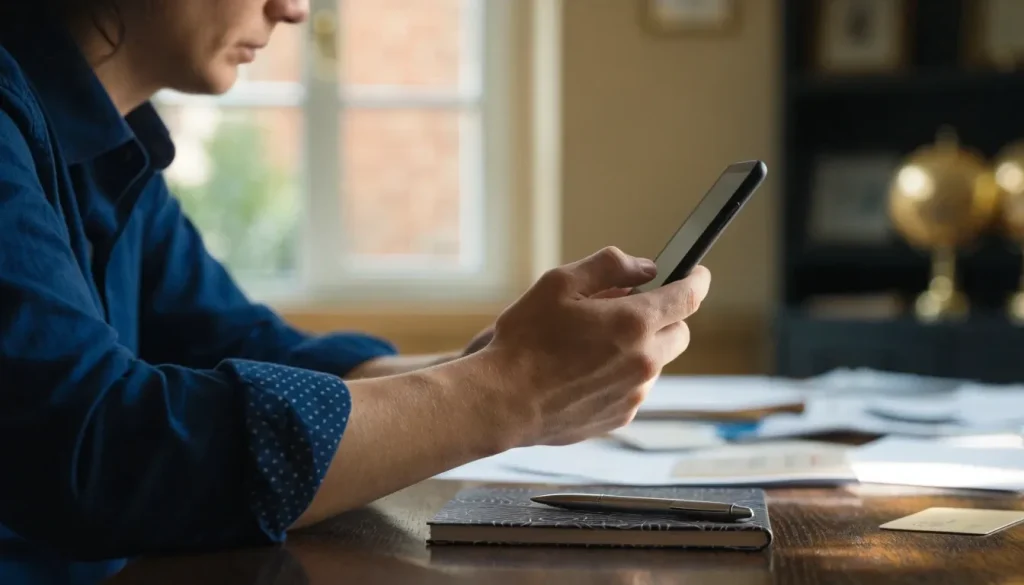
An e-cheque mention is only a starting point; availability depends on what appears in the cashier for the account.
Check the cashier before you count on e-cheque
A page saying that a casino takes e-cheque is a reason to look, not a reason to assume you can use it. Payment information can be broad, dated or written for a general audience. The place to establish what is actually available to you is the casino’s cashier, while you are logged in and ready to make a deposit.
I learned to separate a payment-method mention from a usable option. A logo or a line in a review may tell you what someone has seen listed, but it does not show that the method is available for your account at the point of payment. If e-cheque does not appear in the cashier, I would not count it as an available deposit route just because another page describes the casino as an e-cheque site.
That distinction matters when looking for an e-cheque online casino in the UK. The label can sound definite, as if every customer can open an account and pay that way. In practice, a general claim should be treated as a prompt to check, not as confirmation. I would rather spend a moment in the cashier than build a plan around a method that is not offered there.
If you’re looking for a casino that accepts e-cheques in the UK, check the cashier’s current payment options before depositing. The details below provide a payout-speed reference, but do not confirm e-cheque availability.
-
Chanze
- Payout speed
- 1-3 business days
The stated payout speed is 1–3 business days. Check whether e-cheques are currently available to you in the cashier.
-
Revery Play
- Payout speed
- 1-3 business days
The stated payout speed is 1–3 business days. Check whether e-cheques are currently available to you in the cashier.
-
BeOnBet
- Payout speed
- 1-3 business days
The stated payout speed is 1–3 business days. Check whether e-cheques are currently available to you in the cashier.
-
Dieselwin
- Payout speed
- 1-3 business days
The stated payout speed is 1–3 business days. Check whether e-cheques are currently available to you in the cashier.
-
NightWin
- Payout speed
- 1-3 business days
The stated payout speed is 1–3 business days. Check whether e-cheques are currently available to you in the cashier.
-
NightLuck
- Payout speed
- 1-3 business days
The stated payout speed is 1–3 business days. Check whether e-cheques are currently available to you in the cashier.
-
EvoSpin
- Payout speed
- 1-3 business days
The stated payout speed is 1–3 business days. Check whether e-cheques are currently available to you in the cashier.
-
Zombillion
- Payout speed
- 1-3 business days
The stated payout speed is 1–3 business days. Check whether e-cheques are currently available to you in the cashier.
-
SpinFormula
- Payout speed
- 1-3 business days
The stated payout speed is 1–3 business days. Check whether e-cheques are currently available to you in the cashier.
-
Britsino
- Payout speed
- 1-3 business days
The stated payout speed is 1–3 business days. Check whether e-cheques are currently available to you in the cashier.
A specialist review, for instance, may list Visa and Mastercard among a casino’s payment options. That still does not settle whether a particular card product is eligible or whether those options are currently available to a UK customer. The cashier is where I would verify the live choices. E-cheque deserves the same caution: a mention away from the payment screen is not proof that you can select it.
The check need not become a research project. Open the cashier and look at the deposit options presented for your account. If e-cheque is named there, you have a clearer basis for considering it. If it is absent, unclear or appears only in a general description elsewhere, pause rather than interpreting the wording in the most optimistic way. A method that is not selectable is not a practical option for that deposit.
I would also be wary of phrases such as “supports e-cheque” when they are not attached to a current cashier view. “Supports” can sound like a promise, but it may not tell you what you need to know: whether the payment choice is actually displayed when you try to use the account. Promotional copy can be tidy. The cashier is less poetic.
This is why I would not call a site the best e-cheque casino based on a headline or a broad payment list. That would turn an unconfirmed claim into a recommendation. Nor would I treat a collection of casinos described as accepting e-cheque as a dependable shortlist unless the method can be checked in each cashier. A ranking cannot make a payment option appear.
 Casino Payments in the UK: Methods and OptionsExplore UK casino payment options, from cards and bank transfers to e-wallets and cryptocurrencies, with comparisons focused on deposits and withdrawals.
 Casinos That Accept iDEAL in the UK: Payment ChecksLearn why slot lists do not confirm iDEAL, how bonus terms can exclude payment routes, and why withdrawals may depend on the…
The same goes for mobile e-cheque casinos. A payment method named on a desktop page does not, by itself, show what is presented in a mobile cashier. If you plan to deposit from your phone, check the available options in the mobile version you intend to use. Do not let the word “mobile” in a general description do the checking for you.
I have made the basic mistake of reading a payment list as though it were a menu guaranteed to be waiting for me. It is not. A list can help you decide where to look; it cannot replace the point-of-use check. For e-cheque online casinos in the UK, that simple distinction is more useful than any confident-sounding label.
So, before treating a casino as an e-cheque option, go to its cashier and see whether the method is actually offered for a deposit. If it is not there, leave the claim uncounted. If it is there, you can then consider the practical details before proceeding; the important first step is not to mistake a general description for an available payment choice.
Check first. Then decide.
What to confirm before you try an e-cheque deposit
Seeing e-cheque in a payment menu is only the start. Before you enter anything, make sure the option is available for your own account and that the payment details you plan to use belong to you. Those are separate checks: a method can appear in a cashier without being usable for every customer, and matching ownership details can prevent a basic mismatch from complicating a transaction.
Do
- Open the cashier while signed in to verify availability
- Read the specific instructions for your account
- Ensure the payment route and casino account identify the same customer
Don't
- Assume a payment logo is a guarantee of availability
- Guess at a field or substitute details from another account
- Use someone else's account to make a deposit
I used to treat a visible payment logo as a green light. It isn’t. Open the cashier while signed in, choose the deposit route and read the details shown for your account. If e-cheque is not listed there, don’t assume that an old review, a page describing the casino generally, or another player’s experience means you can use it. Availability can be account-specific. The live options presented to you are the practical point of reference.
If the cashier does show e-cheque, read the instructions before starting. Check what information the form requests and whether you can provide it accurately. Don’t begin by guessing at a field or substituting details from a different account. If something is unclear, pause and ask the operator what the field means before submitting the payment. A deposit attempt is a poor time to find out that you interpreted an instruction differently from the cashier.
The key ownership check is straightforward: the casino account and the payment route should belong to the same customer. Make sure the name and other identifying account details you use are yours, and that you are not trying to pay from someone else’s account or on someone else’s behalf. When basic ownership information points to different people, it can create avoidable friction. Keeping those details aligned removes one simple source of trouble; it does not guarantee that a payment will be accepted.
I would also check that you are signed into the account you actually intend to use. It sounds almost too obvious, but payment decisions made in a hurry can start from the wrong profile, especially if more than one person uses the same device. Don’t rely on a remembered username or an open browser tab. Confirm the account identity first, then look at the cashier available within that account.
 Casinos That Accept Entropay in the UKSee why a casino’s live cashier matters, how to check Entropay acceptance, and why deposit and withdrawal methods may differ.
 Ukash Casinos in the UK: Check Payment OptionsLearn why a Ukash mention does not confirm checkout availability, how to check an operator’s cashier, and which other UK payment routes…
Take the same care with the payment details themselves. Enter only information that the payment provider asks for, and make sure it is consistent with the account you are using. If an account is jointly held, belongs to a relative, or is registered under a different name, don’t assume that the casino will treat it as yours. The relevant question is not whether you can access the payment account; it is whether the payment route and casino account identify the same customer.
A useful pause before submitting is to read the screen from top to bottom: the selected method, the account you are logged into, the payment details, and any confirmation text. If the cashier changes after you choose the method, or the details no longer look right, stop and review rather than pressing through. That small check is more useful than trying to fix a mistake after an instruction has been sent.
There is no need to hunt for a page promising the “best” e-cheque casinos in the UK before doing these checks. A broad description cannot tell you whether the method is enabled for your account or whether your payment details match. What matters at this stage is the specific cashier in front of you and the ownership information you are about to submit. Claims about online casinos that accept e-cheque in the UK do not replace those account-level checks.
If the method is absent, unclear, or tied to details that are not yours, leave the transaction there. Don’t try to work around the mismatch with another person’s account or by entering information that does not accurately describe your payment route. If you cannot tell whether the details match, ask the operator or payment provider before going ahead. A clean match is the sensible starting point. No guesswork.
Deposits and withdrawals are not always a matched pair
Seeing e-cheque in a casino’s deposit menu tells you something about putting money in. It does not, by itself, tell you how you can take money out. I used to treat a payment logo as a two-way promise. That was an easy assumption to make, and an irritating one to discover was wrong.
A cashier can show one set of routes for deposits and a different set for withdrawals. The casino may let you fund an account through a method but direct a payout back through another eligible route. So if you are looking at e-cheque casino sites in the UK, separate two questions in your head: can this account accept an e-cheque deposit, and what route will the casino use to return funds? One answer does not settle the other.
That distinction matters because payout routing is not just a matter of picking whichever button looks familiar. UK anti-money laundering rules generally mean winnings are returned to the original payment source. Returning money to that source is also a common anti-fraud control. The practical idea is straightforward: the route used to fund an account helps establish where the money came from, and sending funds back through that route can help keep the transaction traceable.
It does not mean every payment method will handle both directions in the same way. A deposit method may be available for adding funds while the withdrawal process follows a separate route or requires another step. The cashier and the casino’s withdrawal terms are where that distinction becomes visible. A general payment-method page can be useful, but it is not enough to assume that a deposit option is also a payout option.

I would not infer that e-cheque is available for withdrawals simply because a casino accepts e-cheque deposits. Nor would I assume the reverse. The method’s name is only part of the picture; the casino’s rules for moving money out of the account matter too. The important point is not to guess what e-cheque can do in general, but to check what the specific casino says it will do with your account’s funds.
There can also be a difference between the route you expect and the one the cashier permits. If the original payment source cannot receive a return, or if the casino cannot use it for that transaction, an alternative may be needed. That alternative can bring additional verification. It is not necessarily a sign that something has gone wrong; it can be part of checking that the person requesting the payout is entitled to receive it.
This is where I would pause before depositing rather than trying to solve the routing puzzle after a balance is sitting in the account. Look at the withdrawal information as well as the deposit menu. Check whether the casino explains how it handles funds sent through your chosen method, whether a different route may be used, and what verification it might ask for if the original route is unavailable. If the wording is unclear, ask the casino’s support team to explain the route for your account before you proceed.
A phrase such as “withdrawal options available” can sound reassuring, but it may describe the casino’s general menu rather than promise that every option applies to every deposit. The actual route can depend on how the money entered the account and the casino’s controls. Read it as a description to investigate, not a guarantee that you can choose any payout method at will.
If you are comparing casino sites that accept e-cheque deposits in the UK, the useful comparison is not just whether the deposit button appears. It is whether the site explains the return path clearly and what happens if the original source cannot be used. A casino that gives a plain explanation is easier to assess than one that leaves you to join the dots. “Flexible withdrawals” is marketing language; the detail is the route, the conditions, and any extra checks.

Keep records of which payment source you used and read any messages about the payout route carefully. If the casino asks for further information before sending funds through an alternative, respond through its official account or support channel and make sure the request relates to your own account. Do not treat a different route as automatically available just because it appears somewhere in a general list of payment methods.
The useful habit is simple: think of deposit and withdrawal as connected, but not interchangeable. A deposit option tells you how money may enter. The casino’s closed-loop rules and verification process shape how it can leave. Check both sides before relying on either one. No assumptions.
How to compare payment options without a promised ‘best’
A “best” payment method sounds like a neat answer, but it can hide the part that matters: what the transaction will cost you. An e-cheque route might look attractive beside a card or bank transfer, yet a name on a comparison page tells you nothing about the charges that apply to your own payment. I wouldn’t treat a general ranking as a price quote.

I’ve made the mistake of looking only for a fee shown beside the payment button. That is one piece of the total, not necessarily the whole bill. A payment can involve a casino charge, a fee from the provider, a charge from the bank or card issuer, a currency-conversion spread, or a network cost. Which of those applies depends on the method and the transaction. A specialist payment review I read made the same point about costs varying across those layers; it is a useful prompt to check the details, not a promise that every route carries every fee.
Compare the same amount, not the method’s reputation
The fairest comparison starts with the amount you actually intend to deposit. Look at the cashier’s stated charge, then check the provider or bank terms for any separate fee. If the payment involves currency conversion, look for the exchange rate that will be used and compare it with the rate you expect. A visible flat charge is easy to spot; a less obvious exchange-rate spread can matter too.
That means there is no universal lowest-fee winner. A method that costs less for one transaction may not cost less for another, because the relevant fees and conversion costs can differ. A specialist review can flag the kinds of charges to investigate, but it cannot replace the figures shown for your own payment. “Free” can mean only that one party does not charge a fee. It does not settle whether another party or the exchange rate adds a cost.
For an e-cheque, I’d apply the same test rather than assuming the label itself means cheap. If the cashier gives no clear total, check the payment provider’s terms before confirming. If those terms do not let you work out the amount that will leave your account, pause instead of guessing. There is no prize for discovering a charge after the transaction has gone through.
Separate a fee from a conversion cost
A fee is a stated charge. A conversion spread is the difference built into the rate used to exchange currencies. They are not interchangeable, and comparing only the visible charge can produce a misleading result. Even where there is no separate fee listed, a rate that is less favourable than the one you expected can still increase the effective cost.
I find it helps to write down the same few questions for each method shown to me: What amount will be taken? Is any fee displayed by the casino? Does the provider or bank list another charge? Is the payment being converted, and which rate applies? Is there a network cost? If an answer is unclear, I don’t fill the gap with a guess or with a claim that a method is “normally” free.
Keep the comparison to the actual choices available to you, too. A list of payment brands on a review page cannot tell you what your account will be charged, and a low-cost claim attached to a method is not a substitute for checking the transaction details. Prices and terms are not made universal by putting them in a table.

Make the decision on the final cost
Once you have the charges and rate for the same intended payment, compare the total—not just the headline fee. If one route has a visible charge and another uses a less favourable conversion rate, the label alone will not tell you which costs less. If the full cost still cannot be established, there is no sound basis for declaring one the better deal.
That is less exciting than a ranked list of “best” e-cheque casinos, but it is more useful when your own money is involved. I’d rather leave a method unranked than pretend the cheapest option is the same for every player and every transaction. Check the total you can actually see. Then decide.
Keep the payment route simple
I used to treat the payment choice as a one-off: pick whatever looked handy when depositing, then think about the way back later. That can make a straightforward transaction feel needlessly messy. A cleaner habit is to use one payment account consistently for deposits and withdrawals, where the casino supports that route in both directions.

That matters if you are looking at an e-cheque casino in the UK. The label alone does not tell you whether the same account can be used throughout, so keep the account you intend to use clear in your own records. If you switch between payment accounts without a good reason, it becomes harder to keep track of which one you used and what details belong to it.
The basic idea is simple: your casino account details and payment route should belong to you, and the same named account should be used consistently. That reduces the chance of basic ownership details creating avoidable friction around a transaction. It is not a promise that a payment will be accepted or processed on a particular timetable; it is just a tidier way to manage the route.
I have learned not to make a payment choice on the assumption that I can sort out the account trail later. Before depositing, decide which personal account you intend to use and stick with it where possible. Keep a note of the route you used, rather than relying on memory after trying several options. Less guesswork.

This is account organisation, not a reason to force a method that does not suit you. If an e-cheque option is unavailable for your account, or the casino does not support the same route for withdrawals, do not try to disguise the mismatch by using someone else’s details. Choose a supported route that belongs to you instead.
A consistent route does not remove every possible snag, and it does not mean every payment method works both ways. It simply avoids adding confusion of your own. For anyone comparing e-cheque casinos in the UK, that is a useful habit to keep separate from the bigger question of which payment methods a cashier actually offers.
Why a quick deposit can still mean a slow payout
I used to treat a fast deposit as a clue that getting money back would be just as quick. It isn’t a reliable guide. A payment can reach the casino promptly, while a withdrawal still has to pass through separate steps before it arrives.

A specialist casino review describes card deposits as potentially instant, with payouts taking several business days. That contrast is the useful bit: the deposit and withdrawal are not one continuous transaction. Once you request a payout, the casino may need to review it internally before sending the funds on. The time shown by a payment method does not necessarily include that approval stage.
First withdrawals can take longer, too. A specialist casino review notes that processing may be extended while verification is completed. That can make the first cash-out feel slower than later ones, even if the deposit itself went through without a hitch. I’ve learned not to read “instant” as a promise about the whole journey. It describes one part.
With an e-cheque deposit, the same caution applies: don’t infer a payout timetable from how quickly the deposit appears. The cashier’s deposit process and the casino’s withdrawal handling are separate questions. Before you make plans around a cash-out, look for the operator’s stated processing information and distinguish its own approval time from the time a payment provider may need afterwards.
If the request sits pending, that does not by itself tell you where the delay is. It may still be awaiting casino approval; a later stage may involve the payment route. Check the account’s withdrawal status and the operator’s published terms rather than assuming the deposit method has failed or that the payout is already on its way.
I now think of “fast” as a label for a specific step, not the whole process. Annoying, but clearer.
Payment routes and the checks that come with them
An e-cheque label in a cashier does not tell you how quickly a withdrawal will be cleared. The route is only part of the picture: the casino has to approve the payment, and your account’s verification status can affect when that approval happens. A specialist review describes both as factors in withdrawal speed; treat that as a prompt to check the operator’s own terms, not a promise about every casino or payment.
I used to focus on the button I clicked and assume the rest would take care of itself. That was the wrong bit to overlook. If KYC is still incomplete, a withdrawal may sit while the casino finishes its checks. Having deposited successfully is not the same as having every account check completed.
Before relying on an e-cheque casino payment route, look at the cashier and the withdrawal information together. Check whether the operator explains what account verification is required and whether your account is marked as verified. If the wording is unclear, ask support what remains to be done before you request a payout. Keep the reply; it is easier to refer back to a written answer than to guess from a generic payment badge.

The useful distinction is between a payment method being displayed and the casino being ready to approve money leaving your account. A method label cannot confirm that your checks are complete. Nor can a general claim about e-cheque casinos for UK players tell you how a particular account will be handled. Those details depend on the operator’s process and your own verification status.
I would rather sort that out before a balance is waiting to be withdrawn. Read the cashier notices, check the account area for any outstanding verification step, and contact the casino if the status is ambiguous. Do not assume that a payment route’s name tells you what the approval process involves.
No guesswork needed.
Confirm the account currency and transaction cost
Before I pay, I check the currency shown for the casino account, not just the currency displayed by my bank or payment provider. A specialist review reports that GBP is supported, but that does not tell me what a particular account will be set to. I confirm the account currency before the first transaction; otherwise, a payment made in pounds could still be converted on its way through.
That conversion is easy to miss. The cashier may show no flat charge, while the provider or bank applies an exchange rate that includes a spread. A specialist review notes that this spread can cost more than a visible fixed fee. So “no fee” does not necessarily mean no cost. I look for the currency and rate used for the transaction, then compare the amount leaving my account with the amount credited.
- Confirm the casino account currency
- Check for flat charges in the cashier
- Review the payment provider or bank terms for separate fees
- Identify the exchange rate if currency conversion is required
- Compare the final amount leaving the account with the amount credited
There can be more than one charge in the chain: the casino, payment provider, card issuer or bank may each have their own terms, and network costs can also apply. Which ones matter depends on the actual payment, so I do not assume a method is cheaper just because its cashier button looks clean.
I once focused on the obvious charge and ignored the exchange rate. Not my best check. If the account is in GBP and the payment also reaches it in GBP, that avoids conversion between those currencies; it does not rule out other fees. If the displayed currency differs, pause and find out who sets the rate and whether any separate charge applies before confirming. A quick look at the final payment screen is worth more than guessing from a method’s name.
Set a deposit limit before the first payment
Before putting money into a new account, I want to know what control I have over how much I can deposit. UK rules require remote gambling licensees to prompt new customers to set a financial limit before their first deposit. They must also make account-level limit controls accessible, so this should be part of the account experience rather than something you have to hunt for after paying.
I used to treat that prompt as another box to clear. That was a mistake. A limit is more useful when you decide it while you are calm, not after a session has already started. Choose an amount that fits your own budget, then check what the account lets you control. The exact settings can vary, so read the options shown to you rather than assuming every limit works the same way.
Look for the limit controls in the account area and make sure you can find them again. If the wording is unclear, or you cannot locate a way to manage your limit, pause before depositing and ask the operator for help. The point is not to set a figure that sounds sensible to somebody else. It is to make a decision you can stick to.

I have clicked through prompts too quickly because I wanted to get on with things. That little pause is worth taking. Set the limit first, confirm that you know where its controls are, and only then decide whether to make a deposit. A payment method does not change the need for that boundary. Keep the decision yours.
Check the cashier again when a site is new to you
A new name, a fresh-looking website or a payment logo on a general page tells you very little about what you can actually use. I treat those as pointers, not confirmation. Payment details can change, and a method described somewhere on the site may not be offered in the cashier when you are signed in.
That matters if you are looking for an e-cheque option. A page describing payment methods is not enough to establish that e-cheque is available to UK customers, or to your account. Open the cashier and check the options shown there before planning a deposit around one. If the method is absent, don’t assume it will appear after you start the transaction.
The same caution applies to familiar card names. A specialist review may list Visa or Mastercard, but that does not settle whether the relevant card product is currently available to you in the UK. Check the casino’s cashier for the live options and any eligibility notes. A logo can be broad; the actual payment route can be narrower.
I used to read a payment page as if it were a promise. It isn’t. The useful detail is what the operator presents at the point you are about to pay, not how new the casino looks or how confidently a general page describes its methods. If the information is unclear, pause and ask the operator before making a deposit.
A quick check beats a wrong assumption.
Why can a fast payout casino still delay my withdrawal?
Because the casino must approve the withdrawal internally, and a first payout may take longer while your account is verified. A fast payment method does not remove those steps.
Why must withdrawals return to the deposit method?
Returning funds to the original payment source is a common anti-fraud and anti-money-laundering control. Using the same customer’s account for deposits and withdrawals can also reduce avoidable ownership checks.
Can I deposit in GBP?
Yes, GBP is supported at the supplied sites. Confirm your account currency in the cashier before depositing to avoid conversion.
What is the current minimum deposit?
The minimum usually starts at £10–£20, depending on the payment method.
Are Visa and Mastercard deposits definitely debit cards?
No. Check the cashier to confirm that your specific card product is eligible; credit-card gambling is banned in the UK.
Which method has the lowest fees?
There is no universal lowest-fee method. Compare casino and provider charges, any bank or issuer fees, currency-conversion spread and network costs for your chosen amount.
What is the fastest withdrawal method for UK casinos?
PayPal, open banking services and debit cards linked to fast payout systems are generally among the quickest. The casino’s approval process and your verification status can still affect how soon funds arrive.
Do UK casino withdrawals require verification?
You may need to complete verification, particularly before a first withdrawal. The casino’s processing and verification steps can affect payout time.
Casino Payments in the UK: Methods and Options
Content created by the «rendersbyshailesh» team
